
Understanding the psychology behind gambling's appeal and its impact on decision-making
The Thrill of Uncertainty
The allure of gambling largely stems from the thrill associated with uncertainty. Players often experience a rush when placing bets, driven by the unpredictable nature of the outcomes. This excitement can activate the brain’s reward system, releasing dopamine, a neurotransmitter linked to pleasure and reinforcement. This chemical reaction can make individuals feel euphoric, creating a cycle where they seek to relive that high with more gambling. Many are drawn towards engaging in online scratch cards ireland for this very reason.

Moreover, the unpredictability of gambling outcomes fosters a sense of hope. Gamblers are often drawn to the possibility of a big win, which can overshadow the reality of odds and probabilities. This hope can distort decision-making, leading players to ignore statistical realities in favor of their emotional responses, further entrenching them in their gambling behaviors.
The Role of Cognitive Biases
Cognitive biases significantly influence how individuals perceive gambling. One prominent example is the “gamblers fallacy,” where players believe that past outcomes can affect future events. For instance, after a series of losses, a gambler might think that they are “due” for a win, leading them to make riskier bets. This misunderstanding of probability can perpetuate gambling habits and financial losses.
Another cognitive bias is the illusion of control, where individuals believe they can influence outcomes that are purely random, such as the roll of dice or a spin of a roulette wheel. This belief can encourage more gambling, as players feel empowered to affect their fortune, often to their detriment.
Emotional Escapism and Social Factors
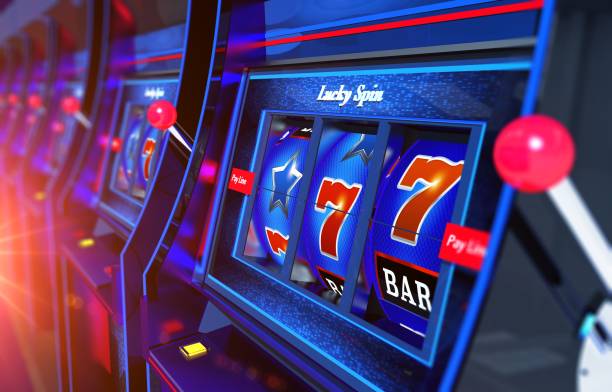
For many, gambling serves as a form of emotional escapism. People often turn to casinos or online gambling platforms as a way to cope with stress, anxiety, or personal issues. The environment of a casino—vibrant lights, sounds, and social interactions—can provide an intoxicating atmosphere that distracts individuals from their everyday problems. This emotional release can become addictive, leading to compulsive gambling behaviors.
Additionally, social factors play a crucial role in gambling’s appeal. Social gatherings centered around gambling can enhance the enjoyment of the experience, with peer pressure or social norms encouraging individuals to participate. The sense of belonging or community found in these environments can further entrench gambling habits, making it difficult for individuals to step away even when they want to.
The Impact on Decision-Making
Gambling can significantly impact decision-making processes, often skewing rational thinking. The euphoric highs and devastating lows associated with gambling can lead to impulsive decisions, as players may chase losses or make larger bets in hopes of recovering their money. This cycle can create a precarious financial situation, as emotional responses override logical evaluations of risk.
Moreover, the environment in which gambling takes place can amplify these poor decision-making patterns. With constant stimuli and the potential for immediate rewards, individuals are more likely to make hasty decisions without fully assessing the consequences. This detrimental pattern can lead to financial hardship and strained relationships, illustrating the profound impact gambling can have on one’s life.
Conclusion: Understanding the Dynamics of Gambling
Understanding the psychology behind gambling can provide valuable insights into its appeal and the impact it has on decision-making. Recognizing the emotional and cognitive factors at play can help individuals make more informed choices about their gambling behaviors. Awareness is the first step in mitigating the risks associated with gambling and promoting healthier habits.
For those exploring this topic further, various resources are available that delve deeper into the psychological aspects of gambling. By fostering understanding and awareness, individuals can better navigate their choices and minimize the adverse effects of gambling on their lives.